
What to Know About Protecting Your Rims and Tyres on SA Roads
In South Africa, where we regularly curse when hitting a pothole, we just didn’t see in time, car rims and tyres take far more of a beating than they should.
One unseen pothole after a summer storm on the N4 bends a rim and can leave you stranded in a matter of seconds, and no one has the time or the energy for that kind of nonsense.
Tyre and wheel protection can be as simple as developing a habit of checking, cushioning and shielding before a slight weakness becomes a massive problem.
It takes minutes to do but skipping it costs far more.
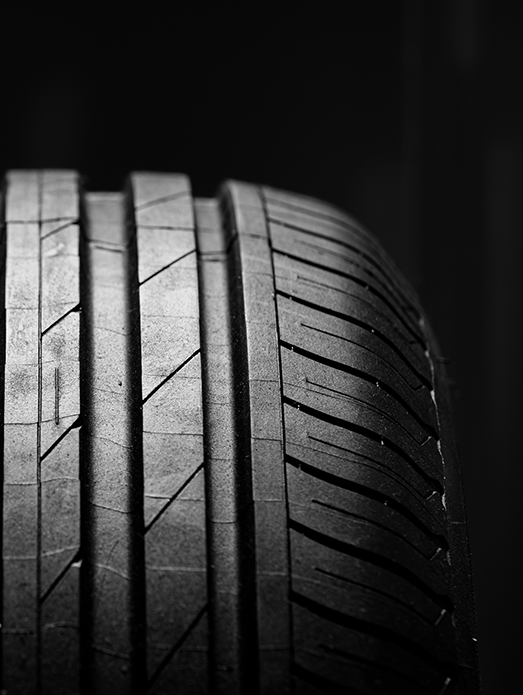
What Damages Tyres and Rims on South African Roads?
Potholes, kerbs, loose gravel and underinflated tyres cause most tyre and rim damage on South African roads, with a single hard hit enough to bend a rim, bulge a sidewall or knock a wheel out of alignment.
The Tyre, Equipment and Parts Association (Tepa) also lists lost hubcaps, damaged shocks and bent steering parts as common results.
Sidewall damage deserves special respect. That section of the tyre flexes constantly through every corner and every stop, which is why repairs there are rarely possible.
How Often Should Tyre Pressure Be Checked?
You should check tyre pressure at least once a month and certainly before every long trip, using the figures on the sticker inside the driver’s door or in the owner’s manual, measured while the tyres are cold.
Correct pressure helps a tyre absorb impacts, while low pressure builds heat, and heat is what finishes a tyre off.
A pocket gauge is helpful to have and costs very little.
The 5 Minute Walk Around
On a weekly 5-minute check, you can look at tread depth, sidewall condition, rim edges and valve caps. It’s quick and it catches most problems before they become roadside worries:
Tread: South Africa’s legal minimum is 1.6 mm, so replace tyres before they reach it.
Rims: look for dents, cracks and scuffed edges.
Sidewalls: look for bulges, blisters and tears.
Valve caps: confirm all four are present, because they keep dirt out of the valve.
You can also take a snap a phone photo of each wheel once a month. A slow change in a rim edge is easy to miss in person but obvious side by side.
Pulling to one side, uneven tread wear and pressure that keeps dropping all point to hidden damage, according to Tiger Wheel & Tyre.
How Should a Pothole Be Handled When It Cannot Be Avoided?
There’s nothing worse than seeing a pothole and know there’s no way around it.
The best thing you can do in such a situation is slow down, release the brakes as the wheel enters, and grip the steering firmly, because braking directly over a pothole causes more damage than just rolling through it.
Leave a generous gap to the vehicle ahead, since that gap is what gives the eye time to spot trouble. Treat puddles with suspicion too, as many are potholes in disguise. Kerbs reward the same patience: approach slowly and square on.
Rotating tyres every 8 000 to 10 000 kilometres, as Super Tyres recommends, spreads wear evenly and reduces vulnerability to impact damage.
National Pothole Day falls on 15 January each year, which makes a neat annual reminder to book that rotation.
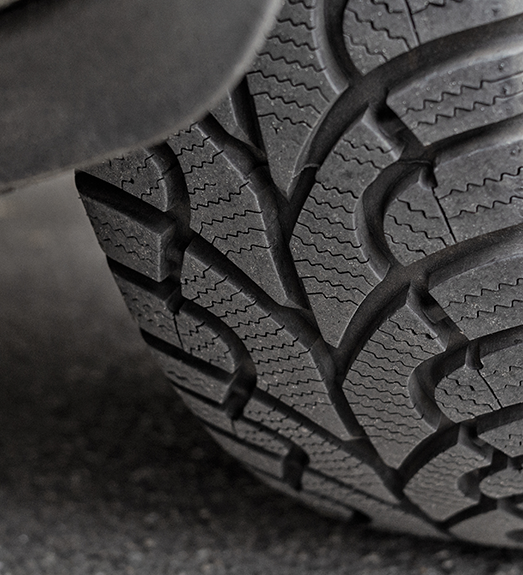
Protecting What Surrounds the Wheels
Wheels sit in the firing line, but the paintwork around them takes a constant spray of gravel too.
Protect-a-Car, a vehicle protection and fitment centre in Nelspruit, fits self-healing paint protection film, paint protection polish and 4×4 underbody protection to keep that zone looking sharp.
And a free quote will arrive in your inbox within 24 hours, so contact us today to keep your vehicle looking and working just as it should.
Frequently asked questions
What is tyre and wheel protection?
Tyre and wheel protection means the checks, driving habits and protective fitments that keep tyres, rims and surrounding paintwork undamaged by potholes, kerbs and gravel, from pressure monitoring to careful braking and paint protection film. It is prevention, practised regularly.
How do potholes damage rims?
Potholes pinch the tyre against the rim edge on impact, which bends the metal, breaks the air seal and often bulges the sidewall, so the car pulls to one side or loses pressure afterwards. Dented rim edges are the giveaway.
How often should tyres be rotated?
Rotate tyres every 8,000 to 10,000 kilometres so wear spreads evenly, which keeps tread consistent and reduces vulnerability to pothole damage, according to Super Tyres, a South African tyre retailer. Many drivers link it to every second service.
What should be done after hitting a pothole hard?
Pull over safely after a hard hit and check for tyre bulges, tears, dented rims and falling pressure, because damage is not always felt immediately, and have a professional inspect anything suspicious before driving further.
Is sidewall damage repairable?
According to Tepa, most sidewall damage is considered irreparable, because the sidewall flexes constantly while cornering and braking, so a bulged or torn sidewall means replacing the tyre rather than patching it.


