
5 Signs Your Protective Coating Needs Reapplication or Maintenance
Protective coatings usually show warning signs that it is starting to fail long before any damage can be done, and knowing what to out for is the only way to maintain the finish before everyday exposure starts taking its toll.
If you are wondering how to protect car paint properly, the answer is not simply applying a coating and forgetting about it.
Even a high-quality coating needs the right care, regular inspection and, eventually, some maintenance.
Sun, dust, road grime, bird droppings, tree sap and incorrect washing techniques can all affect your vehicle’s exterior. And South Africa’s strong UV makes paint protection particularly important.
You don’t need a pro to help you see the signs of your protective coating failing; you just need this helpful guide.
1. Water stops behaving like water
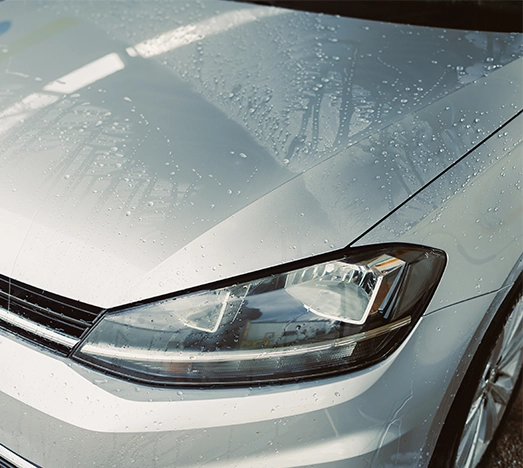
How water runs off the surface of your car is the first sign that something might be wrong with the paint protection.
A healthy hydrophobic coating causes water to bead and run away from the surface. But when water starts sitting in larger, flatter patches, the coating may have accumulated contamination or its performance may have declined.
|
What to look for |
What it says about your car protection |
|
Tight water beads |
Healthy surface behaviour |
|
Large water patches |
Surface contamination or reduced hydrophobicity |
|
Water dragging across paint |
Coating performance needs assessment |
|
Stubborn water spots |
Mineral deposits or inadequate maintenance |
2. The paint feels rough after washing
Smooth paint should feel remarkably clean after a proper wash.
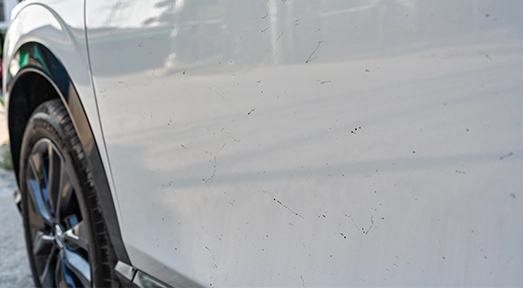
A gritty or slightly rough texture often points to bonded contaminants such as industrial fallout, road film or tree sap.
This does not necessarily mean the coating has failed and you can remove contaminants without unnecessarily replacing the coating.
Aggressive polishing or harsh cleaning products can create a bigger problem than the original contamination, so take it easy when cleaning.
3. Bird droppings and insects are becoming harder to remove
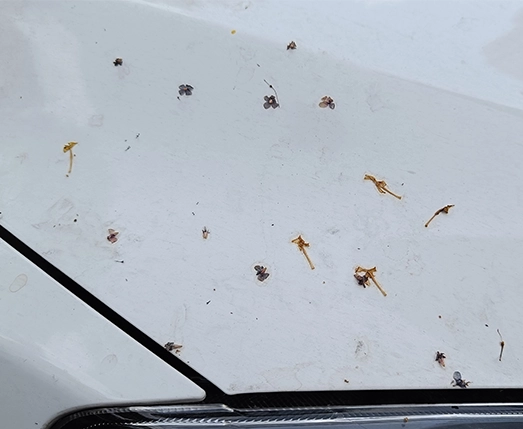
Bird droppings, insect residue and tree sap, especially the very sticky kind, have substances that can damage automotive paint when left on the surface.
A protective coating will give your car an additional protective barrier, but it does not make paint invincible.
The moment you notice residue on your car, you need to remove it as soon as possible.
Keep a clean microfibre towel and suitable automotive cleaning product in your car for those unexpected messes, and dab and lift the contamination rather than scrubbing it across the paint. Scrubbing can do more harm than good.
4. Washing no longer feels easy
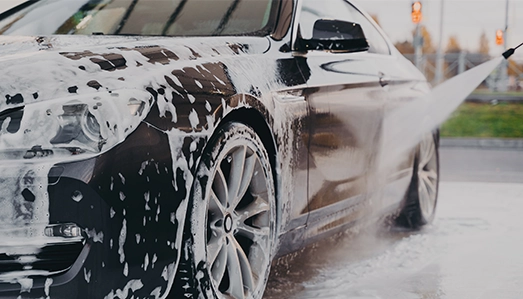
A well-maintained coated vehicle is easier to clean, because there’s nothing sticking to it. If you notice that you are working harder than usual to clean your vehicle, it could be a sign of a problem.
The cause could be accumulated contamination, unsuitable shampoo, automatic car wash brushes or an ageing coating.
A little bit of maintenance can sort this out, and reapplication might be necessary when the coating itself has reached the end of its useful service period.
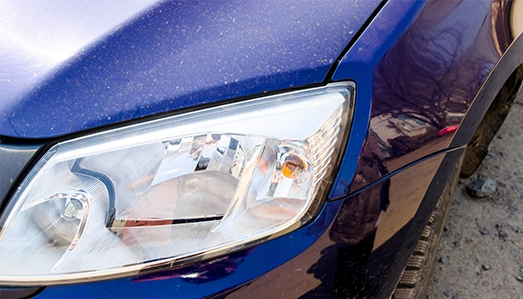
5. The finish looks dull not crisp
A properly maintained protective coating will keep your car looking good, but its gloss can become lacklustre when the surface has too much contamination.
That said, you should not assume that dull paint automatically means you need a new coating.
In this case, it is sometimes best to consult a professional company, like Protect a Car, to determine what the problem is and what needs to be done.
How To Protect Car Paint Between Professional Treatments
Good maintenance is wonderfully simple when it becomes part of the routine. To ensure that your car paint stays looking great, here’s what you can do:
- Wash using automotive shampoo and clean microfibre equipment.
- Avoid abrasive brushes and household detergents.
- Remove bird droppings and tree sap promptly.
- Dry the vehicle using a clean, paint safe microfibre towel.
- Park under cover where practical, particularly during intense sun exposure.
- Follow the maintenance instructions supplied for the specific coating.
Our approach to vehicle protection focuses on keeping the exterior looking cared for while adding a practical layer of protection against everyday environmental exposure.
Visit ProtectaCar to learn more about professional vehicle protection in South Africa or to book one of our professional services.
Frequently asked questions
What is the best way to protect car paint?
The best approach combines a professionally applied protective coating with suitable washing, prompt removal of contaminants and regular maintenance.
How do I know if my car coating is failing?
Reduced water beading, increased contamination, a rougher surface and declining cleaning performance are common signs that a coating needs assessment.
Can a ceramic coating be reapplied?
Yes. Reapplication forms part of a coating maintenance strategy when the existing coating has reached the end of its service life. Surface preparation is essential before applying a new coating.
Does car coating protect against bird droppings?
A coating provides an additional protective barrier, but bird droppings still require prompt removal because prolonged exposure can damage automotive paint.
How often should I maintain my car’s protective coating?
Maintenance frequency depends on the coating and how the vehicle is used. Regular inspection and correct washing provide a more useful guide than applying a fixed schedule to every vehicle.


