
How To Protect Your Car’s Interiors from Sun Damage
South Africa’s sun does not do subtle. A dashboard left in a parked car on a Highveld afternoon can hit 70 degrees Celsius within an hour, and leather seats absorb that heat like a sponge.
Cracked dashboards, faded fabric and stiff, sun-bleached leather are not signs of an old car. They are signs of a car that spent too many afternoons unprotected. Most of the damage is completely preventable, and none of the fixes require a mechanic’s toolkit.
If you are noticing the signs of heat damage or if you just want to start a preventative routine, this is what you need to know.
The Most Common Car Interior Issues
Before we jump into the various factors and events that can do damage to your vehicle interior, this breakdown will give you an introduction to what can go wrong:
|
Threat |
Main cause |
Simple daily habit |
Deep clean frequency |
|
|
Fading and cracking |
UV exposure |
Windscreen sunshade, UV spray |
Every 6 months |
|
|
Stains |
Spills, food, sunscreen |
Wipe within 5 minutes |
Every 2 to 3 months |
|
|
Odour |
Trapped moisture, food waste |
Ventilate daily, clear rubbish |
Monthly |
|
|
Dust and allergens |
Fabric seats, air vents |
Vacuum weekly |
Every 3 months |
Heat and UV
UV radiation breaks down the fibres in fabric and the plasticisers in leather and vinyl, causing cracking, fading and a brittle texture within two to three years of daily sun exposure.
And South Africa, as you know, has uncomfortably hot summers and records some of the highest UV index readings in the world, often reaching 11 or higher in summer, well into the extreme category.
Parking in shade, using a windscreen sunshade, and applying a UV protectant to dashboards and door panels every one to two months is the simplest and most affordable way to keep materials flexible and colour intact.
Spills and Stains
The other more common cause for damage in a car’s interior is just everyday use.
Food and drink messes do happen and when left for too long, can end up doing a lot of damage. The faster you respond to such messes, the less likely it will cause a long-lasting unsightly stain.
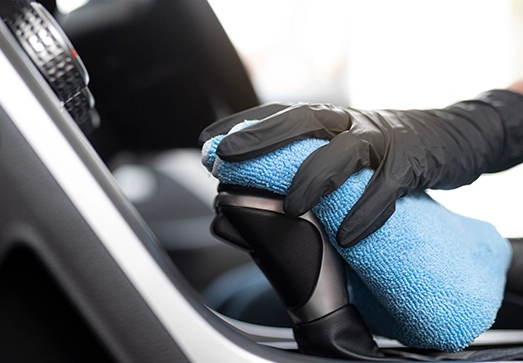
Fresh spills lift out with a damp microfibre cloth and mild soap within five minutes of hitting the seat, before liquid works into the stitching or foam beneath the fabric. Coffee, fizzy drinks and even sunscreen residue are the most common culprits in South African cars, and each leaves a permanent mark if left overnight.
A small stain kit, cloth, mild detergent and a soft brush, kept in the cubby hole rather than the boot, will help.
Some Jobs are for a Specialist to Handle
Daily habits can certainly slow down wear, but they cannot not reverse damage that has already cracked a dashboard, stiffened leather or left a big stain.
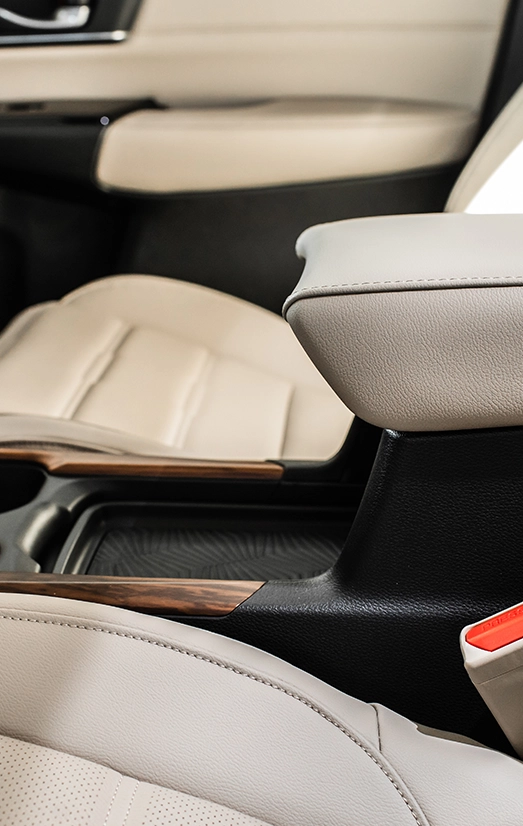
These sorts of issues need professional-grade treatment and the help of an interior protection specialist, who can apply fabric and leather sealants that outperform anything sold in a spray bottle at a filling station, with results that last one to two years rather than weeks.
A short consultation with a specialist, such as the team at Protect A Car, will give you an honest, professional opinion on whether a full recondition or a simple protective coating is the better investment for your vehicle.
Frequently asked questions
How often should I clean my car's interior in South Africa?
A weekly vacuum and a monthly wipe-down of hard surfaces keeps dust, allergens and sun damage to a minimum, with a deeper shampoo or steam clean every two to three months depending on daily use.
Does window tint protect car interiors from sun damage?
Quality window film blocks up to 99% of UVA and UVB rays, reducing fading, cracking and heat buildup, though it works best alongside a sunshade and interior UV protectant for full coverage.
Can leather seats be repaired once they crack?
Minor cracking responds to leather conditioner and professional recolouring, but deep cracks usually need panel replacement or reupholstering, which is why early UV protection is the cheaper option.
What removes stubborn odours from car upholstery?
Baking soda left overnight before vacuuming lifts light odours, while embedded smells from spills or smoke typically need a professional steam clean or ozone treatment to fully clear.
Is DIY fabric protectant spray as effective as professional treatments?
Retail sprays give short-term water resistance lasting a few weeks, while professional-grade fabric protection bonds at a fibre level and typically lasts 12 to 18 months before reapplication is needed.


